The Best Probability Activities for Families
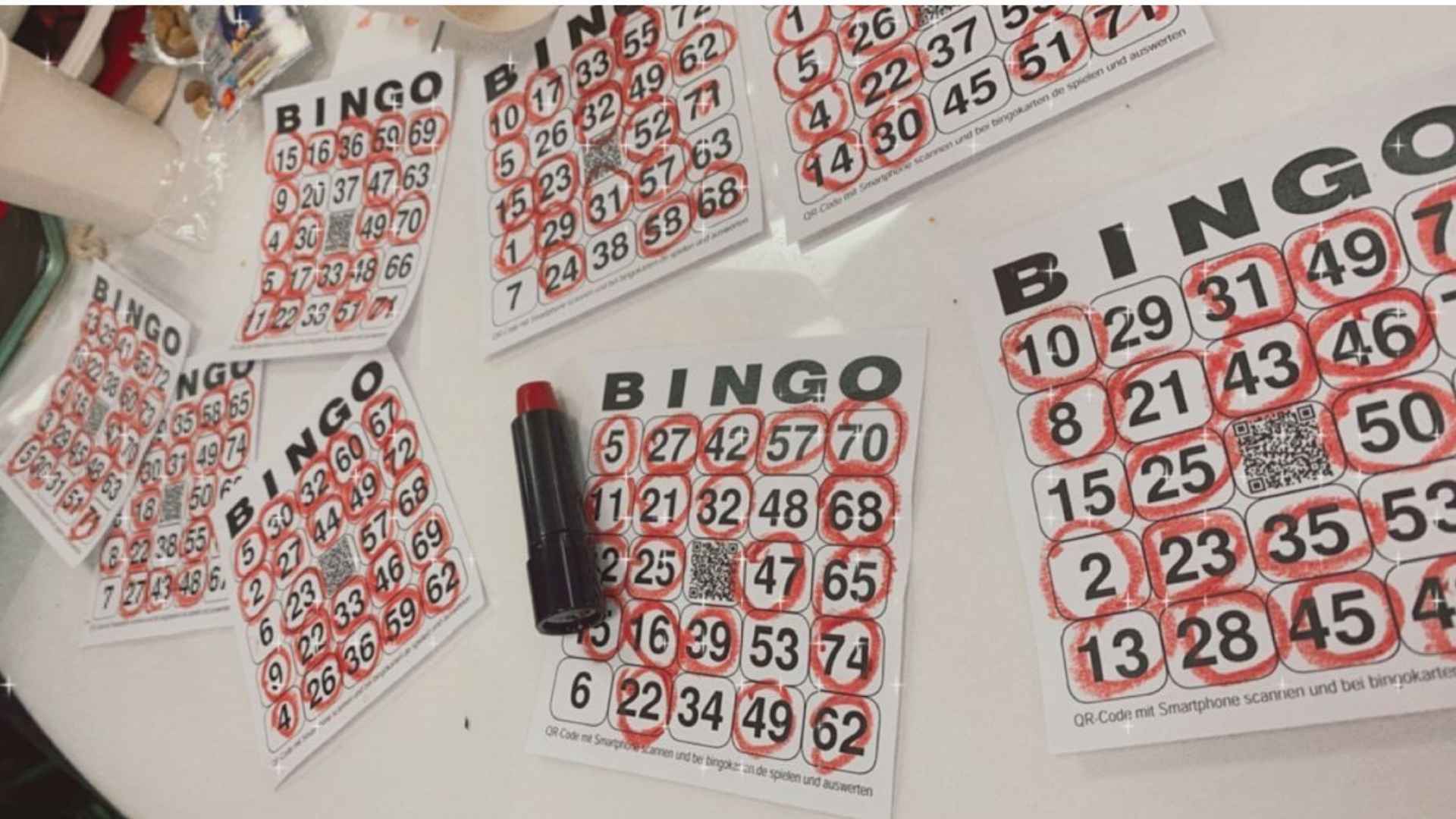
Introducing children to mathematical concepts at home does not have to rely on dry worksheets or repetitive flashcards. By shifting the focus toward interactive play, parents can help their kids naturally grasp how chance and predictability operate in real-world scenarios. Engaging in structured mathematical games together transforms abstract theories into memorable, hands-on family experiences.
Classic Dice and Coin Challenges
Simple household items like coins and dice serve as excellent tools for baseline statistical experiments. Families can track the outcomes of multiple coin flips to visualize how experimental results eventually align with theoretical percentages. This interactive practice builds a healthy foundation for analytical thinking and introduces the baseline concept of random distribution.
To explore these ideas further, parents can create custom charting routines where children record each individual roll of a standard six-sided die. Over extended sessions, young learners will notice that while short-term results are unpredictable, long-term data trends reveal highly balanced distributions. Exploring these systems together is a fantastic first step toward demystifying quantitative reasoning.
Interactive Card Games for Critical Thinking
Traditional card decks offer another engaging pathway to explore shifting mathematical odds without academic stress. By analyzing the remaining cards in a deck, players can calculate their real-time likelihood of drawing a specific suit or value. This active evaluation shifts the family gaming experience from relying purely on blind luck to making calculated decisions.
Many popular digital portals leverage these exact mathematical frameworks to design compelling structural challenges for modern audiences. When exploring new digital options, using a verified platform like m88.com login alternatif can provide an educational environment to study how software replicates independent events. Observing these algorithmic systems helps older children understand the modern connection between computer science and mathematical chance.
Predictive Experiments with Everyday Items
Families can also design simple probability jars using colored marbles, socks, or candies to practice tracking ratios. By changing the balance of colors inside the container, parents can challenge their children to guess which color is most likely to be drawn blindly. This physical approach helps younger kids build an intuitive understanding of dependent and independent variables.
To make the activity more advanced, try recording whether the items are replaced after each draw or removed permanently from the pool. This subtle change drastically alters the mathematical progression of the experiment and highlights how past events can influence future likelihoods. These quick exercises demonstrate that foundational statistical principles are constantly shaping our daily environments.
The Value of Joint Risk Assessment
Participating in probability-focused exercises helps family members develop a healthier, more objective relationship with real-world uncertainty. By learning how to calculate simple expectations, children are better equipped to evaluate potential risks and rewards in their daily lives. This collaborative training transforms mathematical education into a practical tool for long-term logical growth.
Ultimately, the goal of these structured family routines is to blend genuine entertainment with practical intellectual development. Maintaining an open, curious perspective ensures that everyone can enjoy the thrill of discovery without academic pressure. With steady consistency, the complex laws of mathematics become highly accessible and deeply rewarding for all ages.